The decision to install a photovoltaic system is a significant step towards sustainable and environmentally friendly energy supply. Especially in Switzerland, where solar energy accounts for an increasing share of the energy mix and numerous subsidy opportunities exist, interest in photovoltaics has grown significantly. However, before the system is installed on the roof, the question arises: should you buy, rent or use a contracting model? Each of these options comes with advantages and disadvantages, and the choice depends on various factors – from financial capabilities to the consumer’s long-term goals. The costs for a photovoltaic system can be distributed differently over the usage period depending on the various financing options.
Situation in Switzerland
Switzerland has clear legal frameworks and specific subsidy programmes for photovoltaics. On the one hand, there is the self-consumption model, which allows the direct use of self-generated electricity, which can be financially rewarding. On the other hand, there are cantonal differences in subsidy programmes in Switzerland, which require interested parties to inform themselves precisely about the conditions in their canton of residence. In addition, space for large solar systems on roofs is often limited, requiring careful planning.
Another aspect that plays a specific role in Switzerland is the importance of cooperative housing and energy communities. In these models, several parties share a photovoltaic system and use the generated electricity jointly. This model is gaining increasing significance, particularly in urban areas where space and resources are often limited.
1. Purchase of a photovoltaic system
When purchasing a photovoltaic system, you acquire the system in full and bear all acquisition and installation costs. The greatest advantage of buying lies in the fact that the system becomes your property after installation and you benefit from the associated advantages – such as self-consumption and state subsidies.
Advantages of buying:
- Independence: You own the system and can fully use the electricity generated yourself or feed it into the grid.
- Long-term savings: Although the initial investment costs are high, the purchase pays off in the long term through savings on electricity costs and subsidies.
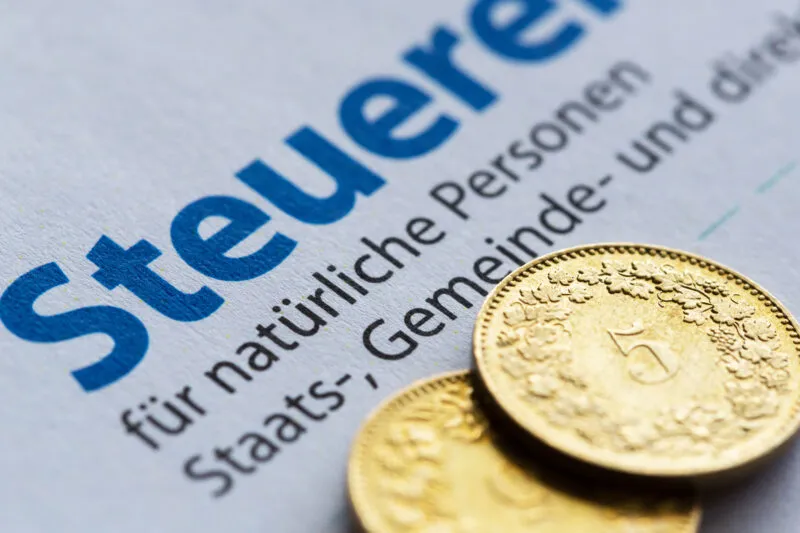
- Subsidies and tax relief: In Switzerland, buyers benefit from cantonal subsidy programmes and feed-in remuneration. In addition, investment costs are generally tax deductible.
Disadvantages of buying:
- High initial investment: The acquisition costs can amount to several tens of thousands of francs depending on the size of the system.
- Maintenance and repair costs: As an owner, you are responsible for maintaining the system and any repairs.
The purchase of a photovoltaic system is particularly suitable for homeowners who plan long-term and have the financial means to cover the initial investment. Thanks to state subsidies and savings on energy costs, purchasing is often the most economical option if you intend to use the building for many years.
2. Leasing of a photovoltaic system
When leasing a photovoltaic system, you pay a monthly fee for the use of the system, while the provider remains the owner. This model has gained increasing popularity in recent years, as it does not require high initial investments and still provides access to solar power.
Advantages of renting:
- No initial investment: You do not have to bear the high acquisition costs yourself, but pay a fixed monthly rate.
- Maintenance and upkeep included: The provider remains the owner and typically handles the maintenance and repairs of the system, saving you additional costs and effort.
- Flexibility: At the end of the lease term, you can decide whether to buy the system or continue the rental.
Disadvantages of renting:
- Ongoing costs: You pay a permanent monthly rent, which can be more expensive over the years than a purchase.
- No ownership: Since the system does not belong to you, you cannot freely dispose of it and have less control over certain decisions, such as expansions or upgrades.
The rental model is particularly suitable for people who want to switch to solar power but do not have the financial means to invest in their own system or are only planning for the short term.
3. Contracting of a photovoltaic system
In the contracting model, an external service provider (contractor) handles the financing, installation, and operation of the photovoltaic system. The customer pays the contractor a contractually agreed price for the electricity generated. Often, the customer has the option to purchase the system at the end of the contract term.
Advantages of contracting:
- No acquisition costs: The contractor covers the complete costs of the system, allowing you to benefit from solar power without a major investment.
- Cost transparency: The electricity price is usually fixed, giving you planning certainty.
- Maintenance included: As with a rental, the contractor handles maintenance and repairs of the system.
Disadvantages of contracting:
- Long-term commitment: Contracting agreements often run for 10 to 20 years, which represents a long obligation.
- Limited savings: Since the contractor wants to make a profit, the savings for the customer are often lower than with an own purchase of the system.
Contracting is primarily interesting for companies and owners' associations of apartment buildings that have large roof areas available and want to benefit from solar power without having to worry about financing and operating the system.
Conclusion
The choice between purchase, lease, and contracting depends heavily on individual needs and financial capabilities. In Switzerland, where photovoltaics are made attractive through subsidy programmes and tax incentives, purchase is in most cases the most cost-effective option in the long term. However, for those who do not want to make high initial investments, leasing or contracting can be a sensible alternative. In any case, it is advisable to obtain several quotes and thoroughly compare the various providers and models to find the best solution for your own needs. This ensures that you not only receive a suitable system but also financially benefit from the investment in solar power.
Average: 4.3 out of 5 stars (22 ratings)