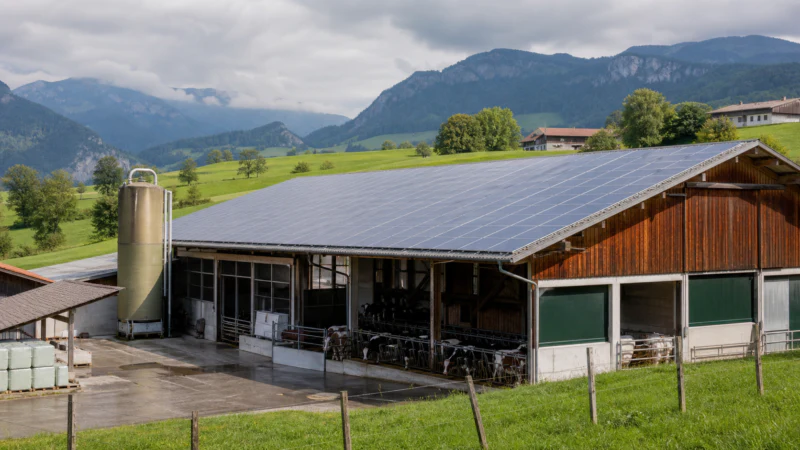
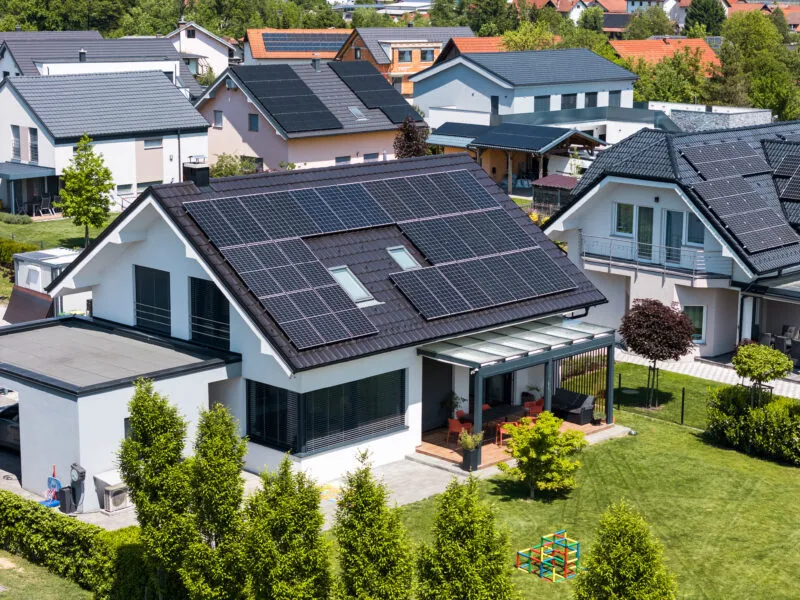
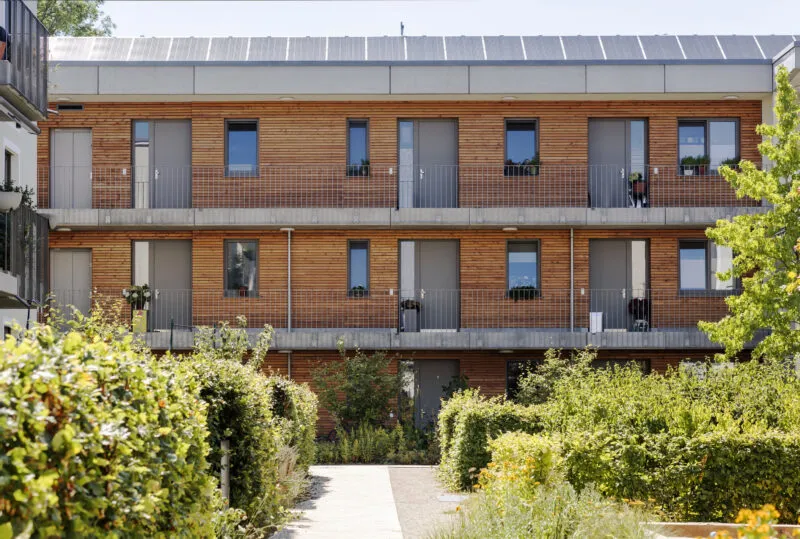
Becoming energy independent: this is also on the agenda for residents of many Swiss apartment buildings.
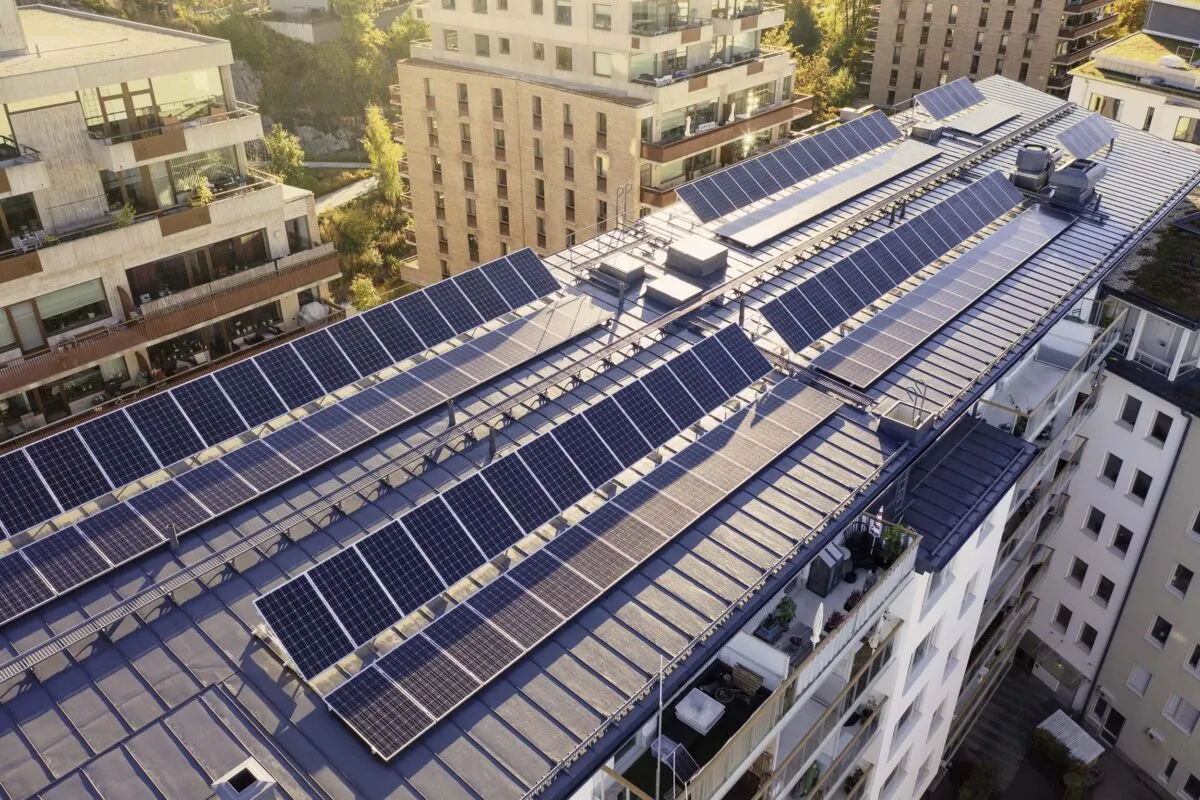
The photovoltaic system in an apartment building: Pros and cons
The installation of solar systems on apartment buildings in Switzerland is an important step towards a sustainable and environmentally friendly energy supply. The use of solar energy as an energy source is one of the most environmentally friendly methods to generate electricity. In this article, we consider the pros and cons of installing solar systems on apartment buildings in Switzerland, particularly in relation to the topic of condominium ownership.
Advantages for condominium owners
An advantage of installing solar systems on apartment buildings is the ability to use renewable energy. Solar systems on apartment buildings have the potential to produce a significant amount of electricity that can be used directly by the residents of the building. By using solar energy, residents can reduce their energy costs while simultaneously contributing to climate protection. Another beneficial option is feeding surplus electricity into the grid, which can generate additional revenue.
Investments as a barrier
One disadvantage of installing solar systems on apartment buildings is the required investment. Installing solar systems is a costly undertaking that must be financed by the condominium owners. However, not all condominium owners are willing or able to contribute to the costs, which can lead to conflicts within the community. One way to avoid this problem is to separate the cost contribution from the decision to install the solar system.
Financing by some of the condominium owners
One way to realise a solar system on an apartment building despite resistance from some of the owners is to have the solar system financed only by part of the condominium ownership community. In return, these owners are granted exclusive usage rights to the system.
The right of later purchase and thus also later co-use can also be granted to co-owners who are not involved in the financing today. By clearly defining usage rights and cost sharing in an amendment to the regulations of the condominium ownership community, conflicts can be avoided.
If financing cannot be secured this way, there are still other options, such as making the roof available to an external operator of solar systems in return for payment. This operator builds and runs the solar system at its own expense (contracting). In this case the condominium owners’ association does not need to invest, but it also forgoes the potential income from electricity production.
Feed-in to the public power grid
Another advantage of solar systems on apartment buildings is the possibility of feeding surplus electricity into the public grid. If the solar system generates more electricity than the residents of the apartment building need, this electricity can be fed into the grid.
The owners of the solar system receive a feed-in remuneration for this, which can vary in height depending on the purchasing provider. This can lead to an additional source of income for the condominium ownership community.
roof area as a barrier
One disadvantage of solar systems on apartment buildings is the limited roof area. In apartment buildings, the roof area in relation to the number of residents is often limited, and it can be difficult to install a sufficiently large solar system to cover the entire electricity demand of the building.
In some cases, it may be necessary to distribute the solar system across multiple roofs or use other surfaces such as facades or balconies. This can lead to higher costs and additional effort.
Maintenance and upkeep
In connection with solar systems in apartment buildings, the topic of maintenance and upkeep is also important. A solar system requires regular maintenance and upkeep to ensure optimal performance and to guarantee that the system operates safely and reliably.
This can pose particular challenges in apartment buildings with many owners and tenants. As a rule, an external service provider is therefore commissioned to maintain and service the solar system.
Conclusion
Overall, solar systems in apartment buildings in Switzerland offer many advantages, such as the possibility of saving energy costs, reducing CO2 emissions and increasing energy efficiency. However, to implement a solar system on the roof of a condominium ownership community, several challenges must be overcome, such as financing, limited roof area and maintenance. With careful planning and collaboration, these challenges can be mastered, and a solar system can be a valuable investment for the future.
Average: 3.8 out of 5 stars (16 ratings)