The share of electricity production from photovoltaics in Switzerland will exceed 10 % for the first time in 2024.
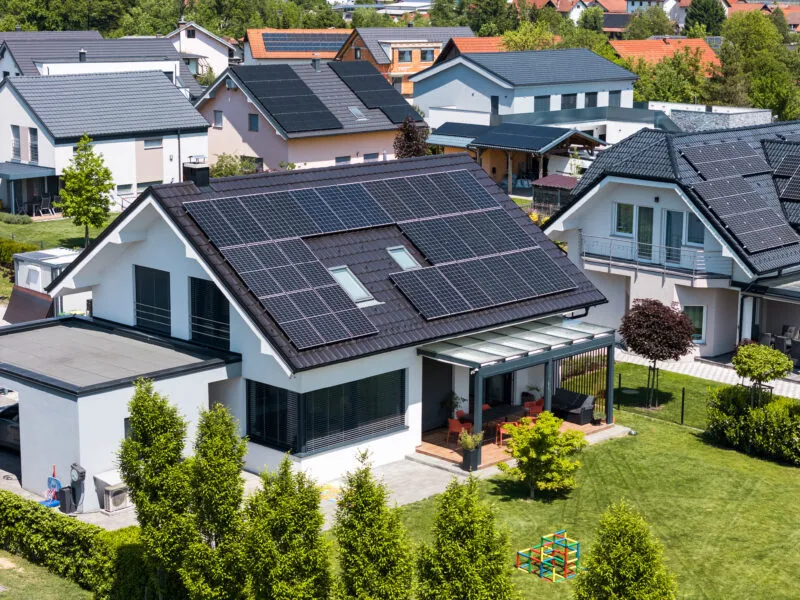
In recent years, the importance of photovoltaics in the Swiss energy market has increased significantly. A milestone is expected to be reached in 2024, as solar power is set to cover 10 % of total annual electricity consumption in Switzerland. This development is the result of continuous and strong market growth, which has been promoted by political measures, technological advances and rising electricity prices. To highlight the importance of photovoltaics in detail, we take a look at the development of solar power in Switzerland and the factors that favour this upswing.
Development of photovoltaics in Switzerland up to 2024
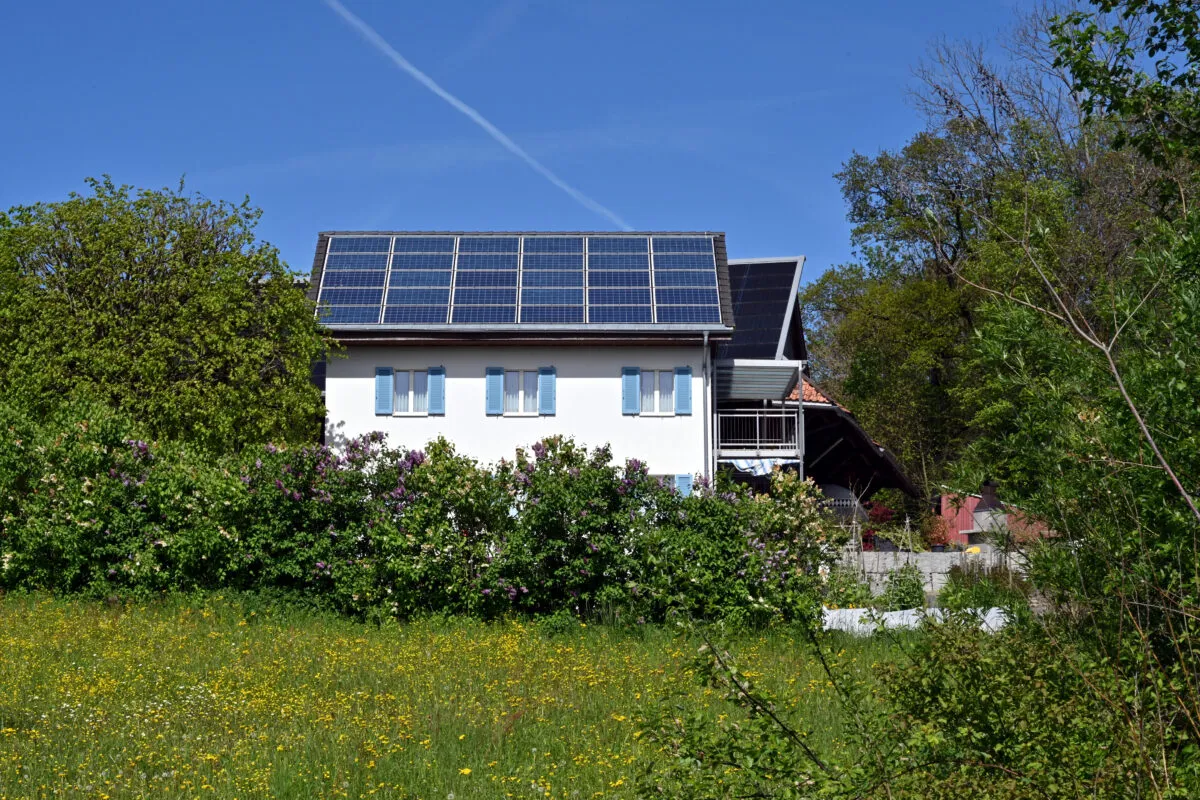
The development of photovoltaics in Switzerland has recorded steady growth for years. The table below illustrates this impressively. While an energy yield of about 500 gigawatt-hours (GWh) was achieved in 2013, this value rose to 4.624 GWh by 2023. This impressive increase is the result of a continuous rise in installed photovoltaic systems.
The installed capacity at the end of 2023 was over 6200 megawatts (MW). “Swissolar”, the Swiss industry association for solar energy, estimates that approximately 1.500 MW of photovoltaic capacity were newly installed in 2023 alone. This corresponds to market growth of almost 40 % compared to the previous year. The growth rates since 2017, the year before the revised Energy Act came into force, have more than sextupled. These figures underscore the enormous potential that solar energy has in Switzerland.
| Year | Newly installed capacity (in MW) | Total capacity (in MW) | Power production (in GWh) |
|---|---|---|---|
| 2013 | – | – | 500,47 |
| 2014 | – | – | 841,57 |
| 2015 | – | – | 1.118,55 |
| 2016 | – | – | 1.333,43 |
| 2017 | – | – | 1.683,21 |
| 2018 | – | – | 1.945,10 |
| 2019 | – | – | 2.177,67 |
| 2020 | – | – | 2.599,00 |
| 2021 | – | – | 2.842,00 |
| 2022 | – | – | 3.858,00 |
| 2023 | 1.500 | 6.200 | 4.624,00 |
Source: Federal Department of the Environment, Transport, Energy and Communications UVEK, Solar Energy Statistics
drivers of growth
There are several reasons for the strong growth of photovoltaics in Switzerland. One of the main factors is the rising electricity price, which hits large consumers who buy their electricity on the free market particularly hard. However, even for captive customers whose electricity prices are regulated, the median price for electricity increased by a considerable 28.5 % from 2022 to 2023. This significantly increases the incentive for companies and private individuals to invest in photovoltaic systems.
In addition, the increasing electrification of mobility plays a crucial role. The increased use of electric vehicles and heat pumps leads to higher electricity demand, which many users want to cover with their own solar systems. This not only leads to a rising demand for photovoltaic systems but also supports the decentralization of electricity supply in Switzerland.
Another strong growth driver is political subsidy. The Swiss government and cantonal authorities offer various subsidy programmes that support the expansion of photovoltaic systems. Particularly noteworthy is the so-called “High one-off payment”, which relates to larger systems without self-consumption. This subsidy programme has contributed to realising projects such as the photovoltaic system on the retaining wall in Teufen, which is optimised for winter electricity yield and supplies electricity for approximately 50 households.
Outlook and challenges
The outlook for photovoltaics in Switzerland remains positive. For 2024, Swissolar forecasts further growth of at least 10 %. This would be a decisive step towards the target set by the government to add 2,000 MW of solar power annually by 2027. Only with this growth can the target of 35 terawatt-hours (TWh) of electricity from new renewable energies according to the framework decree be achieved.
However, there are also challenges that must be overcome. Above all, this includes ensuring a supply of skilled professionals to continue supporting the expansion of the solar industry. Despite previous successes in recruitment, it is becoming increasingly difficult to find qualified personnel to meet the rising demand.
Another problem is the volatility of solar power production. While there is an overproduction of electricity in summer, the yield in winter is often not sufficient to cover demand. To counteract this imbalance, projects such as the Winterstrom-Anlage in Teufen mentioned above are increasingly being realised.
Conclusion
Photovoltaics is playing an increasingly important role in the Swiss energy market. With a share of 10 % of electricity consumption in 2024, it has established itself as an indispensable component of the energy transition. Thanks to political subsidy, technological innovations and a growing awareness of the benefits of solar energy, Switzerland is on a good path to achieving its ambitious goals in the field of renewable energies. The coming years will be decisive in fully exploiting the potential of solar energy and successfully shaping the energy transition.
Sources
Swissolar: Solar power provided 10% of Switzerland’s annual consumption in 2024
UVEK: Solar Energy Statistics Reference Year 2023
Average: 4.7 out of 5 stars (19 ratings)