Photovoltaic systems are becoming an increasingly important pillar in Swiss energy policy. Learn in our extensive guide for private individuals what benefits a photovoltaic system can offer you.
Overview
- 1. The significance of photovoltaics in today’s time
- 2. Fundamentals of photovoltaic systems
- 3. Economic aspects of PV systems
- 4. Planning and installation of the photovoltaic system
- 5. Grid connection and self-consumption
- 6. Operation, maintenance and lifespan
- 7. Environmental and climate impacts
- 8. Legal and administrative aspects
- 9. Future perspectives and innovations
- 10. Conclusion and decision aids
1. The significance of photovoltaics in today’s time
1.1 Global and local significance of photovoltaics
The photovoltaic (PV) technology is a cornerstone of global efforts towards a more sustainable and environmentally friendly energy supply. Its significance goes far beyond the generation of clean energy, as it contributes to the diversification of energy sources and to the stability of energy supply in times of growing demand and diminishing fossil resources. In Switzerland, photovoltaics have gained particular relevance. Due to the country’s unique geographical and climatic conditions, Switzerland offers ideal prerequisites for the use of solar energy. Statistical data show that the share of solar energy in total energy production in Switzerland is continuously increasing. This is partly due to growing public and political support as well as improved technologies and falling costs.
1.2 Historical development of solar technology
The history of photovoltaics began in the early 1950s, but its roots go back to the 19th century, when the fundamental principles of solar energy conversion were discovered. The development of photovoltaics has since gone through various phases, from the first silicon cells to today’s highly advanced systems. In Switzerland, solar technology has undergone a significant development process. Swiss research institutions and companies have been involved in some of the most important breakthroughs in solar technology, making the country an important player in the global PV industry. Innovations in materials science and manufacturing techniques have contributed to improving the efficiency and cost-effectiveness of solar modules.
1.3 Current trends and challenges
The photovoltaic industry is today characterized by rapid technological progress and a changing political landscape. In Switzerland, current trends such as the increasing integration of solar energy into building design and the development of community solar projects have further accelerated the growth of the photovoltaic system sector. At the same time, stakeholders face challenges such as the need to adapt grid infrastructure and integrate battery storage solutions to cope with the intermittent nature of solar energy. In addition, Swiss energy policy, which strongly focuses on promoting renewable energies, plays a crucial role in shaping the future of photovoltaics in the region.
2. Fundamentals of photovoltaic systems
2.1 How photovoltaic cells work
Photovoltaic cells are the core of every solar system. They convert sunlight directly into electrical energy. This happens through the so-called photoelectric effect, where photons from sunlight excite electrons in a semiconductor material (usually silicon), thereby generating an electric current. The efficiency of this conversion has improved significantly over time, thanks to ongoing research and development. In Switzerland, research has particularly focused on maximising the efficiency of photovoltaic cells under the country’s specific climatic and geographical conditions. This includes developing cells that work efficiently even with lower sunlight or in snowy conditions.
2.2 Comparison of solar module types
There are various types of solar modules that differ in material and manufacturing process. The most common are monocrystalline, polycrystalline, and thin-film solar modules. Monocrystalline modules consist of a single, continuous crystal lattice and are known for their high efficiency and longevity, but are generally more expensive. Polycrystalline modules, which consist of multiple crystal fragments, offer a better price-performance ratio but have a slightly lower efficiency. Thin-film modules, often made from materials such as amorphous silicon, cadmium telluride, or copper indium gallium selenide, are less efficient but more flexible and cheaper to manufacture. In Switzerland, the choice of module type and system configuration is often determined by factors such as roof area, aesthetic preferences, and budget.
2.3 Efficiency and performance
The efficiency of a solar module is a crucial factor for its performance. It defines how much of the incoming solar energy is converted into electrical energy. The efficiency of solar modules varies depending on type and quality. In Switzerland, the focus is on high-quality modules with high efficiency to make optimal use of limited space and achieve maximum energy yields. Advances in photovoltaic technology, such as bifacial modules that capture light from both sides and integrated battery storage solutions, have further improved the performance of solar systems. In addition, factors such as module orientation, tilt angle, and local weather conditions play an important role in the overall performance of the system.
3. Economic aspects of PV systems
3.1 Costs and financing
The financial aspects of a photovoltaic system are of crucial importance for private customers. In Switzerland, the costs of a PV system vary depending on size, quality of components and installation effort. The initial investment covers the purchase of solar modules, inverter, mounting systems and installation costs. On average, the total costs for a single-family home can range between CHF 20’000 and CHF 40’000.
However, there are various financing options, such as government subsidies, grants, and tax incentives, which can significantly reduce these costs. In addition, some cantons and municipalities offer additional financial support or low-interest loans for the installation of solar systems. Choosing the right financing model is therefore crucial to maximising the economic viability of the investment.
Costs of a photovoltaic system
3.2 State incentives and subsidies
Switzerland offers various state incentives to promote the adoption of photovoltaics. These include one-off investment contributions (one-off payments), continuous feed-in remuneration, and tax benefits. These incentives aim to reduce the initial investment for installing a photovoltaic system and increase its economic viability. The specific details and availability of these programmes may vary by canton, so it is important for potential PV system owners to inform themselves about the current offers in their region. These subsidy programmes are regularly adjusted to meet market conditions and political goals.
Subsidies for photovoltaic systems
3.3 Profitability and payback periods
The profitability of a photovoltaic system depends on various factors, including acquisition costs, the amount of savings achieved through self-consumption, feed-in remuneration and the operating costs of the system. In Switzerland, the average payback period for a photovoltaic system is approximately 10 to 15 years. However, this period can be shortened if energy prices rise or additional state incentives are introduced. In the long term, a photovoltaic system can be a profitable investment, as it provides nearly free electricity for the remaining lifespan of the system – typically 20 to 30 years – after payback. The profitability calculation should take individual factors into account, such as the location of the system, roof pitch and orientation, and annual energy consumption.
4. Planning and installation of the photovoltaic system
4.1 Planning process and site analysis
The planning of a photovoltaic system begins with a careful analysis of the site and specific conditions. In Switzerland, this includes assessing the roof structure, the orientation and slope of the roof, as well as taking local weather conditions into account. A site analysis is crucial to determine the optimal size and configuration of the system. Factors such as shading from nearby buildings or trees, regional solar radiation, and the local climate must be considered. Professional solar energy consultants or specialised companies can help carry out a detailed evaluation and create a tailored plan for installation.
4.2 Selecting the right system and installer
Choosing the right solar system and the correct installer is another crucial step. In Switzerland, there is a wide variety of solar modules and systems with different performance specifications and price points. The choice should be made based on individual needs, budget and the quality of the components. Equally important is the choice of a qualified and experienced installer. Reliable installers not only provide a professional installation but also advice and support in choosing the right system. It is advisable to check references and certifications and compare quotes from multiple providers.
Quote comparison photovoltaics
4.3 Consideration of roof condition and orientation
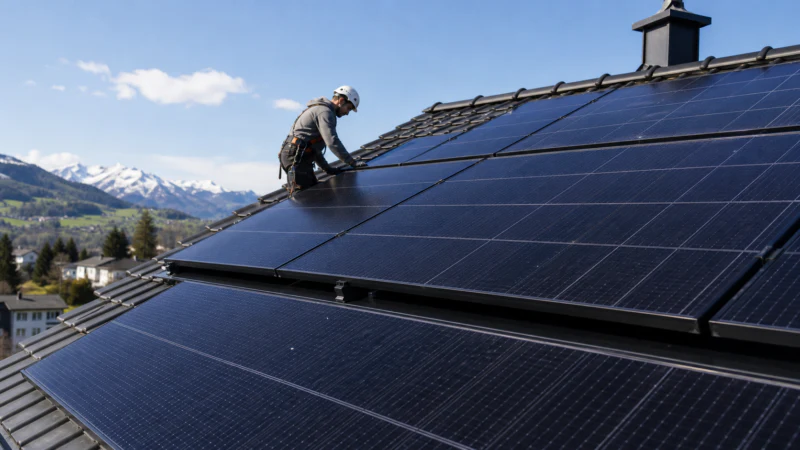
The roof condition and orientation are central factors for the efficiency of a photovoltaic system. In Switzerland, where roofs are often steep and sometimes historical, these aspects must be carefully evaluated. An ideal roof for photovoltaics has good south-facing orientation, little to no shading, and an appropriate slope. Flat roofs also offer good installation possibilities but require additional mounting systems to optimally align the modules. The roof condition, including material and state, must also be assessed to ensure that it can bear the weight of the solar system and that no major repairs are required before installation.
5. Grid connection and self-consumption
5.1 Grid-connected vs. autonomous systems
In Switzerland, photovoltaic systems can be installed either as grid-connected or as off-grid systems. Grid-connected systems are connected to the public electricity grid and can feed surplus electricity into the grid, for which owners usually receive a remuneration. These systems are popular because they ensure a continuous power supply, even if the PV system does not produce enough electricity. Off-grid, i.e. grid-independent systems, on the other hand, are completely self-sufficient and ideal for locations that have no access to the electricity grid. They usually require battery storage to ensure a constant power supply, which can increase the initial investment.
5.2 Optimising self-consumption
Optimising self-consumption is a central aspect of the economic viability of photovoltaic systems. In Switzerland, self-consumption can be maximised through the intelligent control of household appliances and the use of energy storage systems. Devices such as hot water boilers, heat pumps, or charging stations for electric vehicles can be programmed to run mainly when the PV system is producing electricity. This not only increases the direct use of the generated solar power but also reduces dependence on the public grid and energy costs.
5.3 Storage solutions and their economic viability
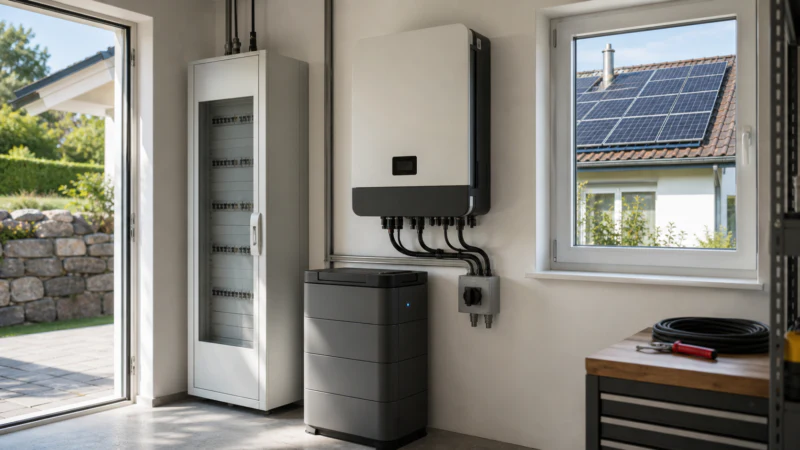
Storage solutions, particularly battery storage, play an important role in maximising the self-consumption of solar power. In Switzerland, battery storage is becoming increasingly popular, as it allows the solar power produced during the day to be stored and used when the sun is not shining. This is particularly advantageous for households with high energy consumption in the evening hours. The economic viability of storage solutions depends on several factors, such as the cost of the battery, its lifespan, and the difference between feed-in tariffs and electricity costs. With falling costs and technological improvements, storage systems are becoming an increasingly attractive option for many households in Switzerland.
6. Operation, maintenance and lifespan
6.1 Operating tips and maintenance routines
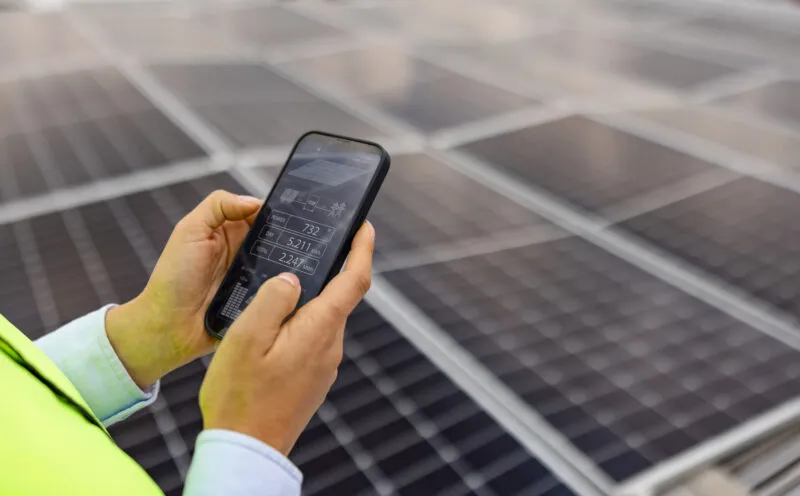
Effective operation and regular maintenance are crucial for the longevity and efficiency of a photovoltaic system. In Switzerland, owners should regularly inspect and clean their systems for dirt, snow, and deposits to ensure optimal performance. Monitoring systems can help track the system’s output and detect problems early. It is advisable to have professional maintenance carried out at least once a year to check all components of the system, including inverters, cables, and mounting systems. Checking for shading, which may develop over time due to growing trees or new buildings, is also important.
6.2 Lifespan and warranties
The lifespan of a photovoltaic system is another important aspect for investors. In Switzerland, solar modules generally have a lifespan of 20 to 30 years. Many manufacturers offer warranties that guarantee the performance of the modules over a certain period (often 20 to 25 years). The lifespan of inverters is usually shorter, approximately 10 to 15 years. It is important to understand the warranty conditions of the various components and to consider that some parts of the system may need to be replaced, which causes additional costs over time.
6.3 Common problems and solutions
Although photovoltaic systems are relatively low-maintenance, problems can occasionally arise. The most common challenges in Switzerland include soiling, snow cover, damage from weather conditions, and technical defects such as inverter failures. Regular inspections and maintenance can help avoid many of these problems or detect them at an early stage. In the event of technical issues, it is important to contact qualified specialists. In addition, modern monitoring systems can help quickly identify performance losses and enable rapid solutions.
7. Environmental and climate impacts
7.1 CO2 savings and climate protection
Photovoltaic systems contribute significantly to the reduction of CO2 emissions by providing a clean and renewable energy source. In Switzerland, where the share of renewable energies is steadily increasing, solar systems play a crucial role in the fight against climate change. By switching from fossil fuels to solar energy, households and businesses can significantly reduce their CO2 footprint. The exact amount of CO2 savings depends on various factors, including the size of the system and the local electricity mix. However, it is generally true that every kilowatt-hour of solar power produced and used helps to reduce greenhouse gas emissions.
7.2 Environmental balance of photovoltaic systems
The environmental balance of a photovoltaic system includes not only the CO2 savings during its operation but also the environmental impacts of its manufacture and disposal. Although the production of solar modules consumes energy and involves certain emissions, the overall balance is positive compared to conventional energy sources. In Switzerland, the focus is on sustainability across the entire value chain of photovoltaics. This also includes the development of recycling processes for end-of-life solar modules to conserve resources and reduce waste.
7.3 Sustainability in the PV industry
Sustainability in the photovoltaic industry is an increasingly important topic. This includes the use of environmentally friendly materials, efficient manufacturing processes and the reduction of the ecological footprint over the entire life cycle of the products. In Switzerland, there are initiatives and research projects focused on improving the environmental compatibility of solar systems, including reducing waste and increasing energy efficiency during manufacturing. In addition, the integration of solar systems into buildings and infrastructure is promoted to ensure a sustainable and aesthetically pleasing use of solar energy.
8. Legal and administrative aspects
8.1 Legal provisions and approval procedures
In Switzerland, the installation of photovoltaic systems is subject to specific legal regulations and often requires a permit. This process varies by canton and municipality. In general, builders must apply for a building permit from the local building authority, particularly if the installation requires modifications to the building or roof. Additionally, environmental impact assessments and heritage protection requirements must be taken into account, especially for historical buildings. Compliance with these regulations is essential to avoid legal complications and ensure the proper functioning of the system.
8.2 Insurance and liability
Insurance coverage is another important aspect of operating a photovoltaic system. In Switzerland, owners of solar systems should ensure that their system is included in the building insurance to cover damage caused by fire, natural events, or technical defects. Additionally, a liability insurance for operations may be sensible to protect against possible damage to third parties. It is advisable to clarify with the insurance company to what extent existing policies cover the solar system and whether additional insurance coverage is required.
8.3 Grid integration and legal challenges
The integration of photovoltaic systems into the electricity grid brings legal challenges, particularly with regard to the feed-in of solar power and remuneration. In Switzerland, energy laws and local regulations govern the conditions for grid feed-in, including tariffs for the fed-in solar power. These regulations can affect the economic viability of the system. It is therefore important to inform yourself about current conditions and possible changes in legislation in order to optimally benefit from available subsidies and feed-in tariffs.
9. Future perspectives and innovations
9.1 New technologies and trends
The photovoltaic industry is characterised by constant innovation and technological progress. In Switzerland, research and development play a central role in promoting new photovoltaic technologies. Current trends include, for example, the development of perovskite solar cells, which offer the potential for higher efficiencies and lower manufacturing costs. The integration of solar technology into building materials, known as building-integrated photovoltaics (BIPV), is also gaining importance. This technology allows solar cells to be integrated directly into facades, windows and other building elements, increasing aesthetic acceptance and the versatility of applications. In addition, research focuses on improving storage technologies to compensate for the intermittent nature of solar energy.
9.2 Combination with other renewable energy sources
The integration of photovoltaics with other renewable energy sources is another important aspect for future energy supply in Switzerland. Combining solar systems with wind energy, hydropower, and biomass can lead to a more reliable and efficient energy supply. Such hybrid energy systems can help further reduce dependence on fossil fuels and increase supply security. In particular, in rural or remote areas where connection to the power grid is difficult or costly, such combined systems offer a sustainable solution.
9.3 Political and economic factors in Switzerland
The development of the photovoltaic industry is influenced not only by technological but also by political and economic factors. In Switzerland, the future of photovoltaics is largely determined by energy policy, market regulations, and government subsidy programmes. Political support for renewable energies, climate protection targets, and energy independence is crucial for the further promotion of photovoltaics. From an economic perspective, energy prices, investment costs for new technologies, and global market development influence the attractiveness and spread of solar systems in Switzerland.
10. Conclusion and decision aids
10.1 Decision for a photovoltaic system
An overview of photovoltaics in Switzerland reveals a complex and dynamic picture. The technology offers a sustainable and increasingly cost-effective way to generate electricity that is both environmentally friendly and efficient. Key aspects such as the different types of solar cells, economic considerations including costs, subsidies, and profitability, planning and installation processes, grid connection options, operation and maintenance practices, legal frameworks, as well as future trends and innovations are important for those interested in solar systems in Switzerland. Together, these factors form a foundation for making informed decisions about using photovoltaics.
10.2 Tips for decision-making
When deciding on a photovoltaic system, several key factors should be considered: the suitability of the location, financial feasibility, the choice of the right system and installer, as well as long-term operational and maintenance requirements. It is advisable to obtain quotes from various providers and compare them carefully. In addition, potential system operators should check the available state subsidies and tax benefits and consider the long-term economic and ecological benefits of an investment.
10.3 Buying a photovoltaic system: Next steps for interested parties
For those interested in a photovoltaic system in Switzerland, the process begins with thorough research and planning. This includes consulting with specialists, assessing one’s own energy needs, and checking the suitability of the location. It is important to inform oneself about the latest technological developments and state subsidy programmes. Subsequently, a suitable system and installer are selected. After installation, it is essential to maintain and monitor the system regularly to ensure its performance and efficiency.
Plan a photovoltaic system and compare quotes
Anyone planning a photovoltaic system in Switzerland should consider costs, subsidies, self-consumption and the specific implementation together. Via solar-guide.ch, you can forward your request to up to 3 suitable specialist installers and compare the quotes received.
Start free provider comparison
Average: 4.3 out of 5 stars (19 ratings)